Supernatural
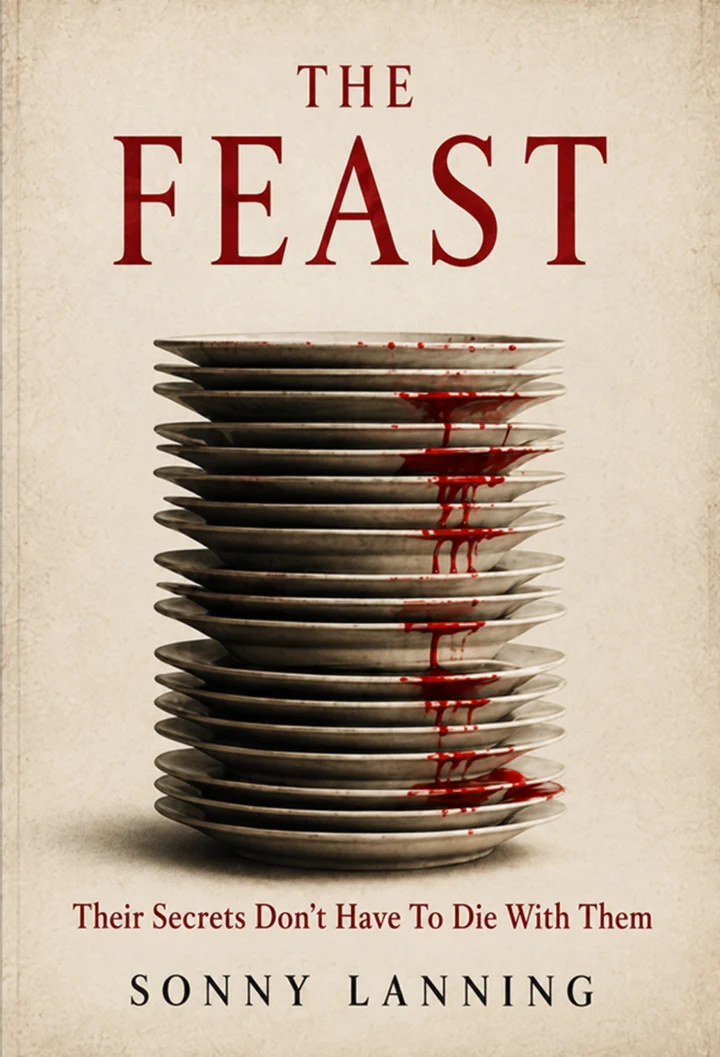
The Feast
Their secrets don't have to die with them
In the Ashcombe family, death does not end a person's influence. The eldest dead leave an inheritance more intimate than money or property: their memories. At the family Feast, an old ritual passes that knowledge into the living through the consumption of what remains of those who came before. The past is preserved within the people expected to carry it onwards.
Eliza Ashcombe has spent her life surrounded by the benefits and demands of that continuity. There is inherited wealth, inherited expectation and a silence that belongs to the family as surely as its accumulated knowledge. What others might regard as an ending has become another way of maintaining the Ashcombes' hold on what they know and who they expect their descendants to be.
The ritual can be understood as an honour. It can also be presented as a duty. To preserve experience that would otherwise disappear is to keep something valuable from being lost, and the family has every reason to value what has made it endure. Yet knowledge carried inside a person may be harder to refuse than advice spoken across a table. An inheritance can occupy as well as enrich.
For Eliza, the question is what receiving the past will require of her own life. Does belonging mean allowing those who came before to remain present in everything that follows? Can a family preserve its memory without preserving its control? The Feast brings those questions into the body, making the relationship between inheritance and ownership impossible to keep at a comfortable distance.
The Feast is a dark family story about memory, obligation and the appetite of the past. Eliza must decide how to understand a tradition that promises to save what the dead knew, while allowing them to keep shaping the living. In the Ashcombe family, accepting what has been left to you may mean making room for people who have never truly agreed to leave.
Ebook purchase link coming soon.