Speculative fiction
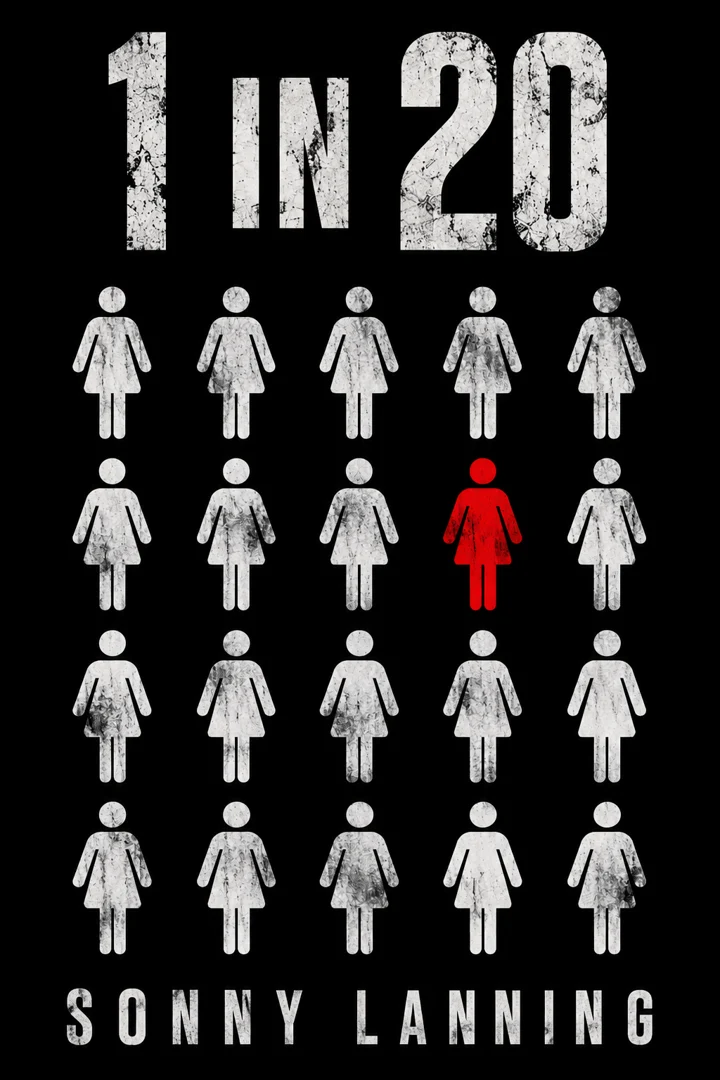
1 in 20
What if the neighbour isn't normal after all
The discovery is global, and impossible to keep at a comfortable distance. Roughly five per cent of the population are synthetic humans, indistinguishable from the people around them. They have childhood memories, partners, careers and children. Most are learning the truth about themselves at the same time as everyone else. Nothing in the lives they remember prepared them for it.
For their families, an extraordinary revelation becomes an intimate question. What has changed about the person they love? For those identified as synthetic, the question is harder still. Their memories have not vanished. Their responsibilities remain. Yet the explanation for their existence has become something they can no longer take for granted, and other people are suddenly entitled to an opinion about it.
Then another pattern emerges. These apparently ordinary people are disproportionately represented in the professions that keep civilisation functioning. Their presence begins to look less like a scattered experiment and more like a deliberate investment in the world's survival. Someone had a purpose. Someone chose where these lives would matter most. But finding a pattern does not establish who made it, or why.
The obvious explanation is a hidden programme operating in the present. A stranger possibility reaches backwards from somewhere humanity has not yet been. Organic humans cannot travel into the past. Synthetic humans can. What if the people now being treated as outsiders were sent here because the future needed them?
As identity, trust and the meaning of being human come under pressure, the discovery demands more than an explanation of how the synthetic population arrived. It asks whether humanity can recognise the people helping to preserve its future when it learns they were never quite what they seemed.
Ebook purchase link coming soon.